
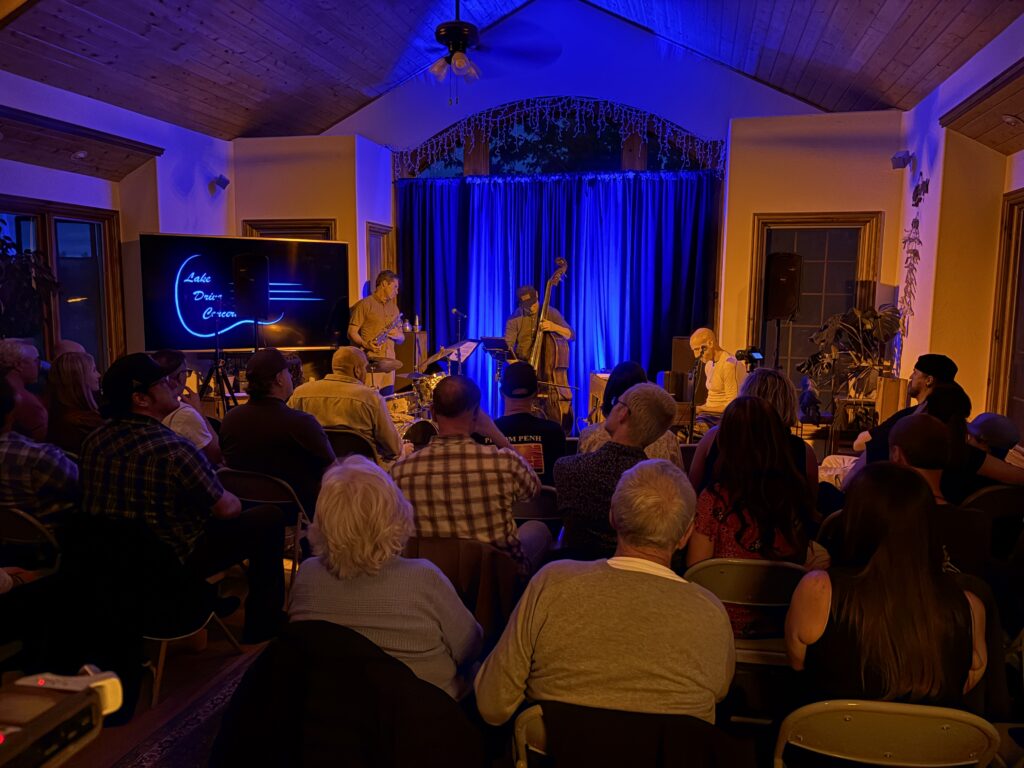
Lake Drive Studio is a budget friendly recording studio and rehearsal space with a private relaxed atmosphere.
Our Mission
Professional studios are great for professionals, but can be expensive and intimidating for inexperienced musicians.
Our mission is to provide an affordable, stress free environment for emerging artists to develop, rehearse and record their original music.
Lake Drive Studio is a great option for your first studio experience, demo or EP.
“Recording a song at Lake Drive Studio was an amazing experience! JD helped us refine our song, and get it ready for recording. The finished song was so much better due to his insight. The recording sessions were efficient yet thorough. I believe that my band reached the best product we could have. We were blown away and beyond happy with each new mix we received. My experience at Lake Drive Studio was enjoyable and fulfilling. I am excited to record there again soon!” – Pax M

How it Works
The vast majority of recording studios charge on an hourly basis. Charging hourly ensures that their time is fully accounted for, and is industry standard practice. However, this is where it can get expensive fast especially if you are new to the process and have a limited budget.
We do it differently by charging a flat fee per song. This allows you to have a set budget going into the song development process.
We listen to your song ideas and intentions for the music. Based upon how developed the idea already is, how many players are involved and other factors, we will determine a flat fee for the song. Fees can range from $300 to $1,000 per song. For example…
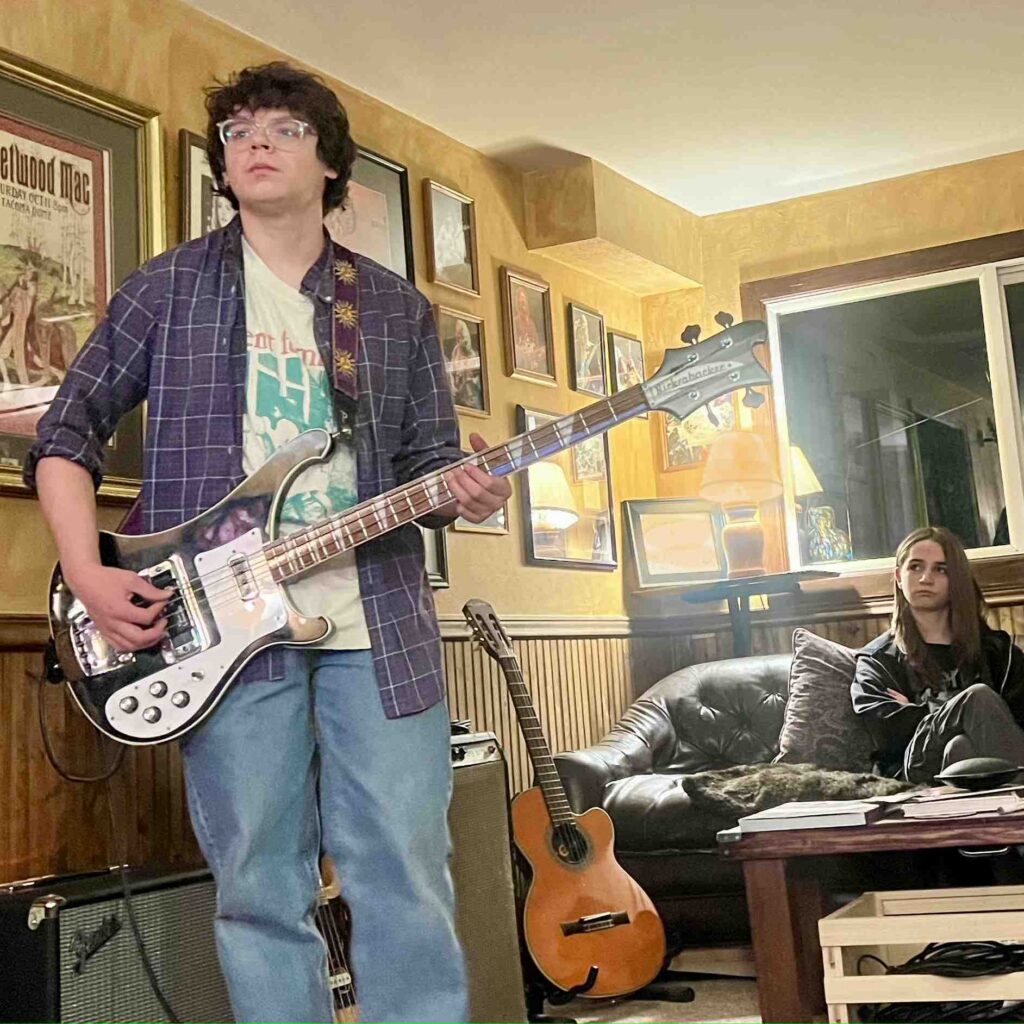
A solo artist may have a song that is already well developed requiring minimal producing, arranging or overdubs. That fee would be lower with most of the time commitment being in recording, mixing and mastering.
On the flipside, a 5 or 6 piece rock band with an unfinished song would require more songwriting, arrangement, rehearsal and recording time. This type of project would be more involved.
We also have a network of professional musicians who can be hired on a fee for song basis if needed.
Song Development
The goal is to help you create a finished song or EP that you will be proud to share with the world. Taking a basic idea to a finished song generally follows this process.
Songwriting and Composition – Everything starts with an idea. This is where melodies, chords, lyrics, and rhythms begin to take shape. Sometimes it’s just a few lines or a short loop, while other times, it’s a full arrangement. The goal here is to build the foundation of the song and figure out what story or emotion it’s meant to express.
Arrangement – Once the core idea is in place, it’s time to decide how the song will flow. Arrangement is about structure — which instruments come in when, how verses and choruses connect, and the dynamics (how the energy rises and falls). A good arrangement keeps listeners engaged and gives the song a direction and purpose.
Sound Design and Instrumentation – This is where the song starts to gain its identity. Record producers choose or create the sounds that define the track from drums and synths to guitars and textures. In electronic music, this might mean programming beats and designing synth patches; in a band setting, it could mean deciding on tones, mic placement, when to play parts and when not to play, and overall performance style.
Recording – Recording captures all the performances — vocals, instruments, and any other elements that make up the track. This stage is about getting clean, expressive takes that bring the song to life.
Editing – In this phase of the production process, the best takes are cleaned up and fine-tuned. Timing, pitch, and small imperfections are adjusted. The goal is to make sure everything feels tight and cohesive while ensuring recorded tracks don’t lose their natural performance feel.
Mixing – Mixing music is where all the recorded and programmed parts are balanced together. This involves adjusting levels, panning, EQ, compression, and adding effects to make every element sit properly in the mix. This stage gives the song its space, clarity, and overall polish. Hearing the final mix is often a whole different world compared to the first few drafts of your song.
Mastering – As the final step, mastering music means ensuring the song sounds consistent across all speakers and platforms, matches industry loudness standards, and flows smoothly if it’s part of an album or playlist.
Our son’s band recently recorded a song at Lake Drive Studios and what a fantastic experience! In addition to expertly guiding the band through the recording process, JD became a true songwriter and music mentor to our son which has been invaluable. We are so pleased with the end product and look forward to working with Lake Drive on future projects. – Jenna E
The Studio
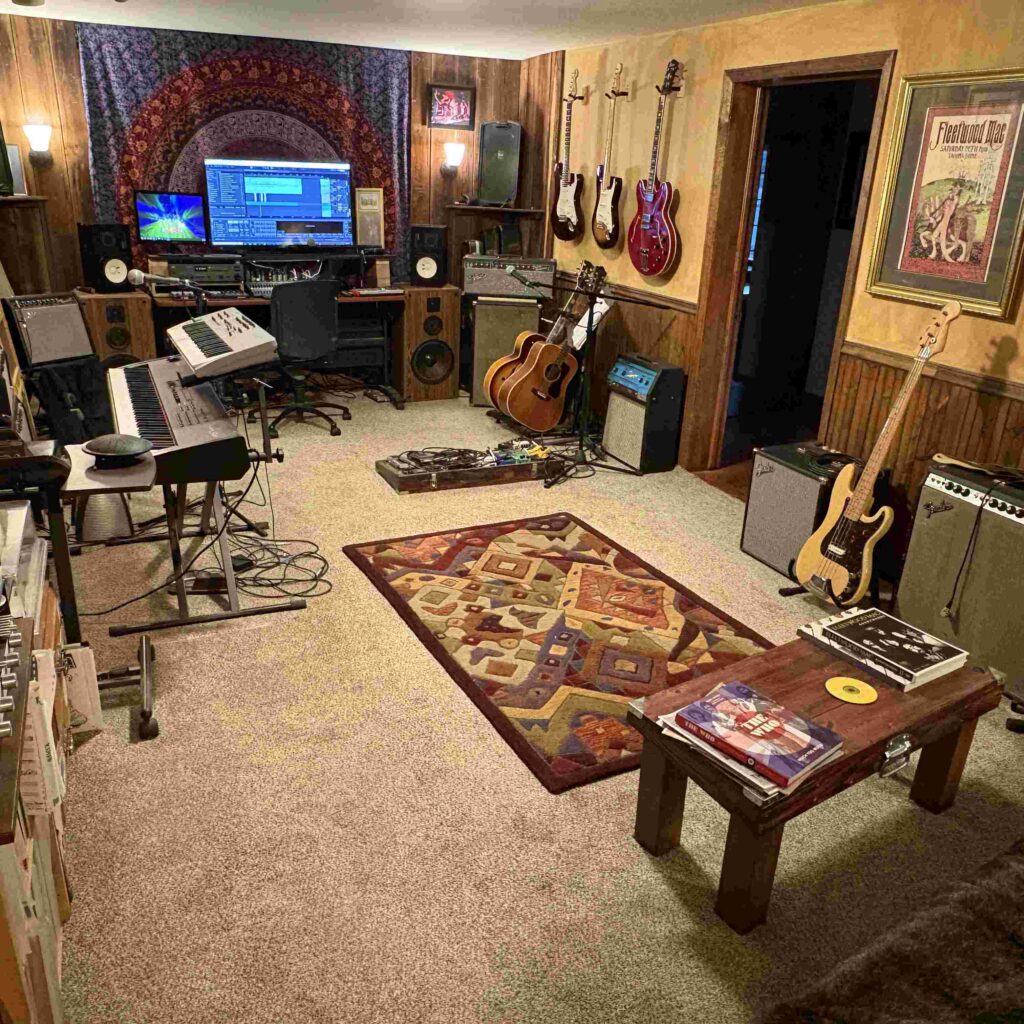
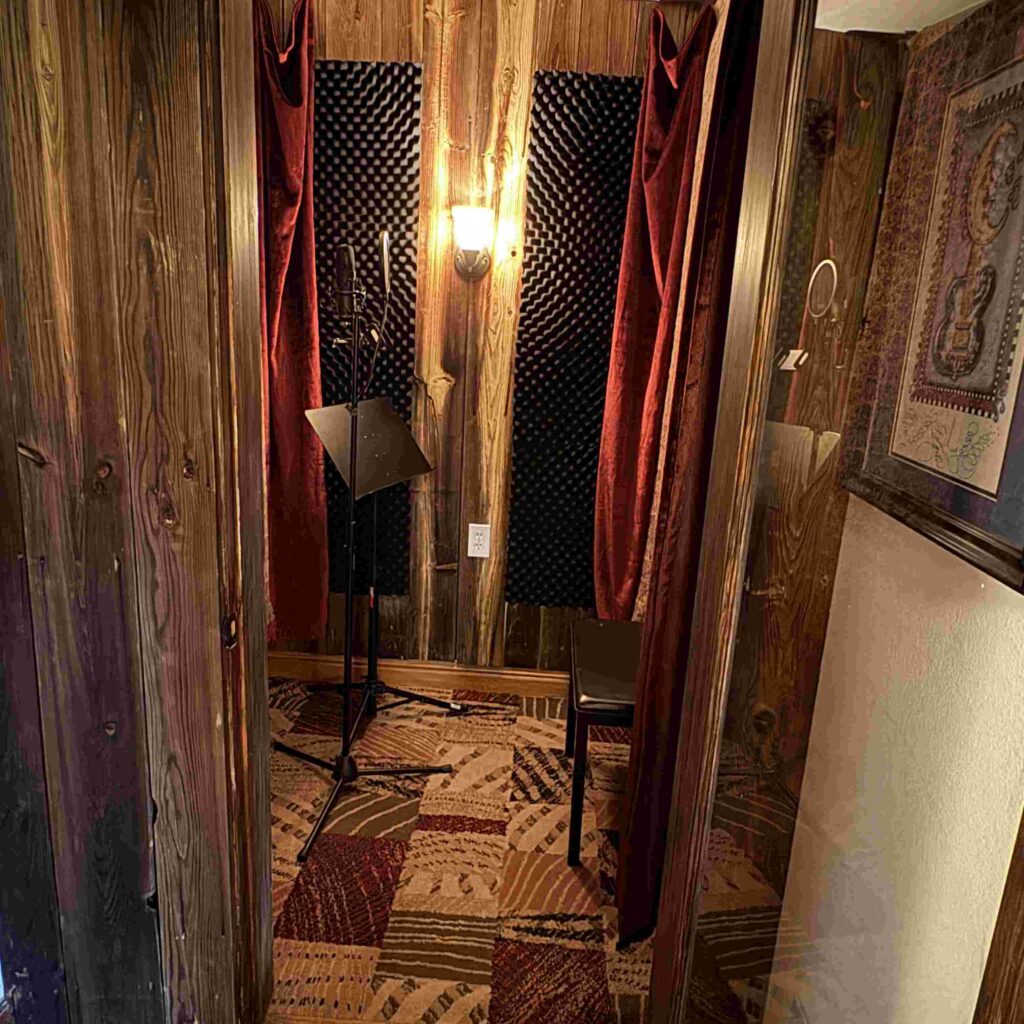
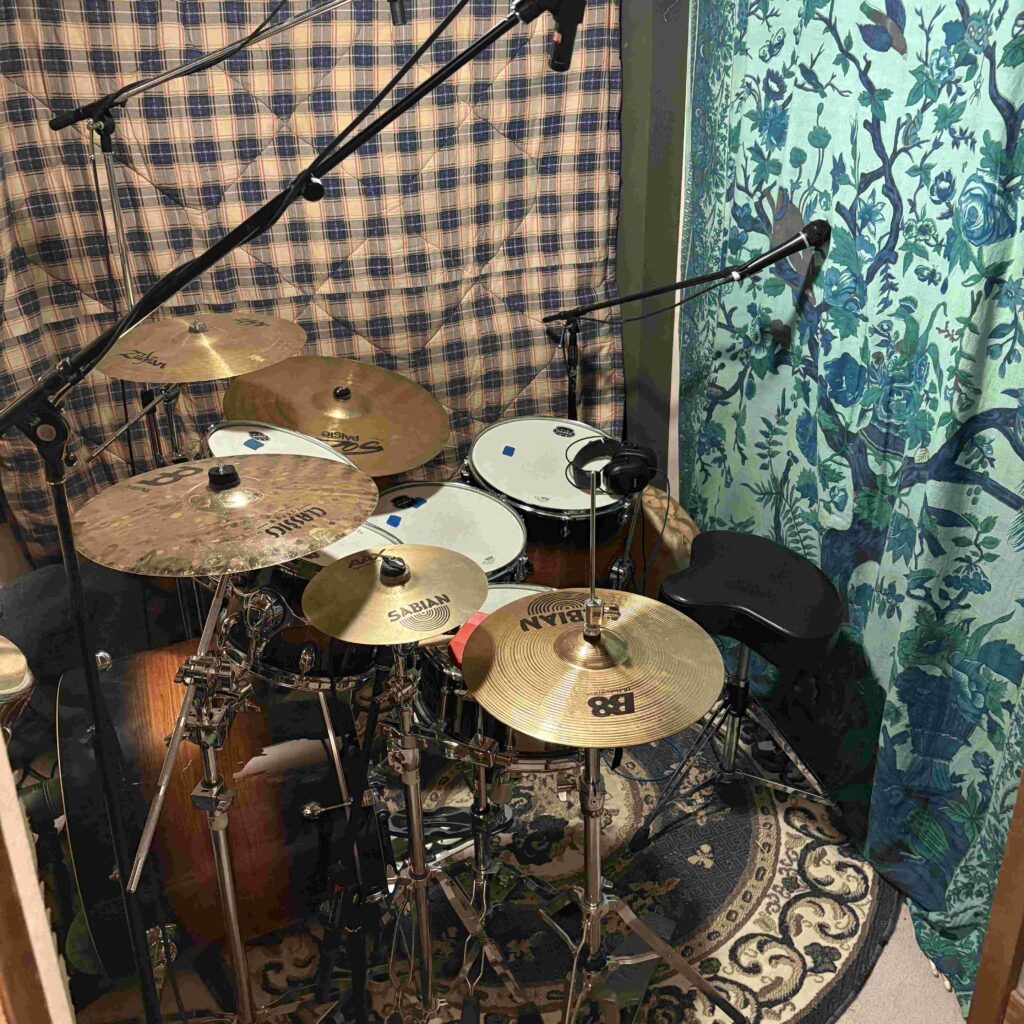
We have a very private, rehearsal and recording space in the basement which includes separate vocal and drum isolation rooms. There is a one bedroom living space with a full kitchen, bath and fitness room adjacent to the studio.
Artist Development
What’s most important is the chance for the artist to gain confidence, learn about the process and about themselves. Accepting constructive feedback, trying out new ideas, collaborating with others, and practicing the art of letting things go is important in both the creative process and in life itself. Hopefully by the end of you will become a better songwriter, musician, bandmate, and human.